
Criminal Court Cases in Honolulu County
Honolulu County criminal cases belong to the Hawaiʻi State Judiciary’s First Circuit. Circuit Court at Kaʻahumanu Hale handles felony prosecutions and general-jurisdiction criminal trials. Honolulu District Court at Kauikeaouli Hale hears misdemeanors, petty misdemeanors, traffic matters, and early felony proceedings. Family Court handles juvenile and some family-related criminal matters, where confidentiality is much tighter. There is no county clerk or separate Honolulu municipal court.
The Judiciary is the custodian of complaints, indictments, pleas, motions, orders, judgments, and sentences. HPD holds the police report, while the Department of the Prosecuting Attorney creates its screening material. Those records can describe the same event but serve different purposes. Begin with the judicial case when the question concerns charges filed or the result in court.
Case numbers and court labels keep the sources aligned. A District Court entry can show an early felony proceeding before the prosecution moves to Circuit Court. Searching both levels may therefore explain why two files refer to one arrest. Family Court access should never be inferred from an ordinary adult criminal result because protected juvenile and family matters follow stricter rules.
Honolulu County Felony and Misdemeanor Courts
The courthouse name matters. Kaʻahumanu Hale, 777 Punchbowl Street, Honolulu, HI 96813, is the main Circuit Court site; its main number is (808) 539-4300. Kauikeaouli Hale, 1111 Alakea Street, houses Honolulu District Court. Its third-floor Legal Documents Branch accepts District Court filings, services, and bail posting from 8:00 a.m. to 4:00 p.m.
Aliʻiōlani Hale is nearby, but it is the Supreme Court and Judiciary administration site, not the normal trial-file counter. Appellate records run through the Supreme Court and Intermediate Court of Appeals clerk. Before visiting, use the First Circuit Oʻahu directory to identify the right division and current counter instructions.
Honolulu County Case Record Searches
eCourt Kōkua is the official online index for First Circuit criminal cases. Basic case information is free. Search by a modern case ID when possible, or use the party-name route and check the court, case type, and filing date before relying on a match.
- Open eCourt Kōkua, read the disclaimer, and accept it.
- Choose the District, Circuit, or Family criminal case area.
- Enter the case ID or party name, then compare matching results.
- Open the charges, parties, events, and chronological docket tabs.
- Buy an available PDF or request the named document from the courthouse.
Search results work best as an index. Record the exact case ID, court, filing date, and docket title before ordering a document. If two parties share a name, compare the available case details and obtain an official copy rather than assuming identity. The court search does not use fingerprints.
| Field Label | Type | Required | Notes |
|---|---|---|---|
| Accept or Decline | Buttons | Yes | Acceptance opens the search. |
| Case ID | Text | Route based | Modern IDs contain 12 characters. |
| Party name | Text | Route based | Use the court and filing details to verify a match. |
| Court or category | Tabs or menu | Yes | Select the correct criminal court level. |
| PDF icon | Action | No | Only displayed documents can be bought online. |
Honolulu County eCourt Kōkua Details
The Judiciary’s eCourt Kōkua help and coverage page explains which case groups appear online, how migrated IDs work, and where document purchase is available.
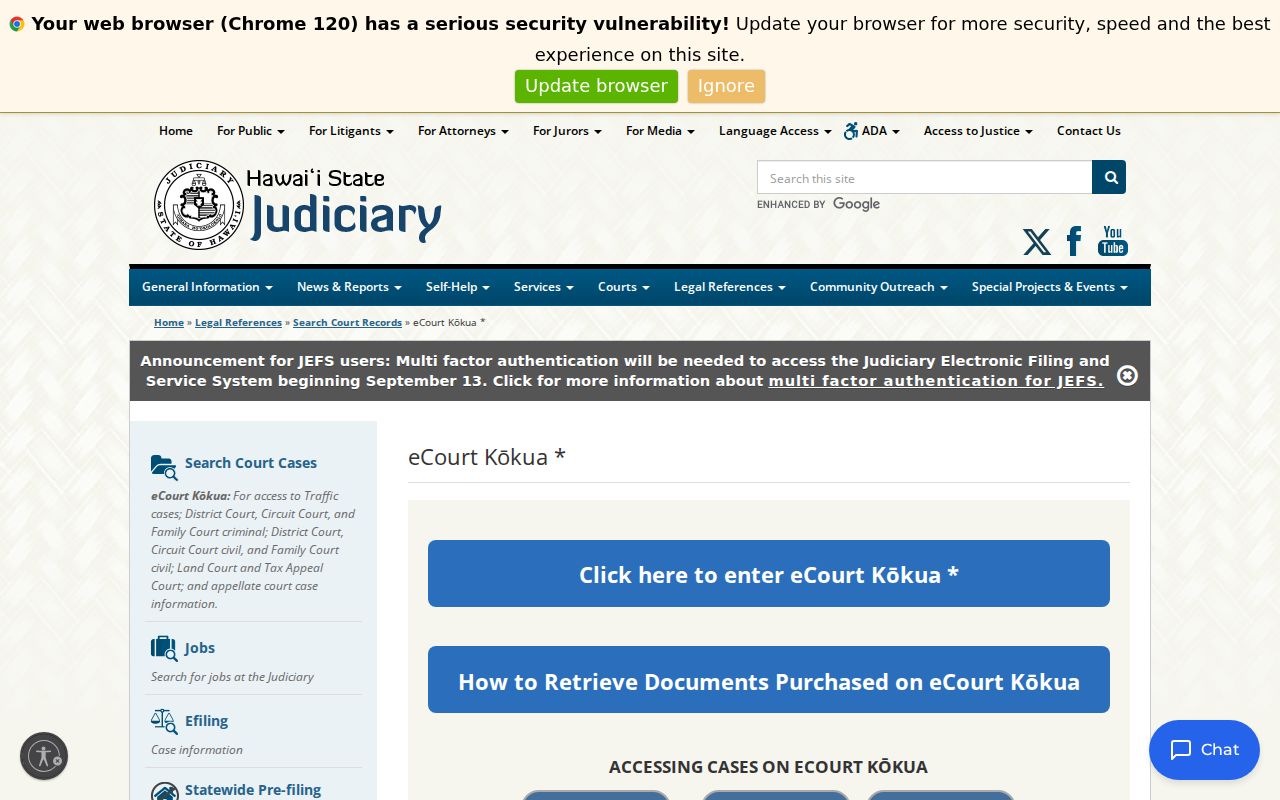
The portal was redesigned in May 2026 with clearer tabs and accessibility improvements while retaining its core case functions. A missing PDF icon does not mean the filing is gone. It means the copy must be sought from the courthouse or may be restricted.
The same portal covers more than criminal trials. Select the criminal category deliberately so traffic, civil, appellate, Land Court, or Tax Appeal results do not blur the answer. Coverage dates also vary by category, which is why the Judiciary help page is part of a sound search.
What a Criminal Case File Contains
A Honolulu County criminal case view can show the case identifier, party roles, court, case type, filing date, status, charges, cited laws, hearings, judge, attorneys, and docket history. Read each charge separately. One count may be dismissed while another ends in conviction, so the overall status alone can mislead.
| Case Number & Court | Identifies the judicial file and First Circuit division. |
|---|---|
| Charging Document | Complaint, information, or indictment stating filed counts. |
| Docket Entries | Chronological filings, appearances, motions, and orders. |
| Hearing Dates | Past and scheduled events shown in the public calendar. |
| Disposition & Judgment | The outcome of each count and the court’s judgment. |
| Sentence & Conditions | Custody, probation, fines, restitution, and other terms when public. |
Public court files add detail that eCrim does not. eCrim reports a narrower statewide adult conviction product. It does not replace the pleadings, motions, or count-level history in the First Circuit docket.
Disposition means the outcome of a charge. A dismissal ends that count without a conviction, while an acquittal is a not-guilty decision. Deferred acceptance postpones acceptance of a guilty or no-contest plea subject to conditions. These terms should be read with the dated order that records them.
Honolulu County Old Case Numbers
Migrated cases can trip up a sound name search. The Judiciary converts an older number into a 12-character ID using the circuit, case type, and leading zeros. Its examples turn old First Circuit number 8 into 1CU000000008 and 12345 into 1PC000012345.
District Court criminal cases filed before August 2012 are outside the current online collection. For one of those files, contact the District Court counter with the party name, approximate filing year, old number if known, and the exact document sought. A written request should also state whether a plain or certified copy is needed and include contact and payment details.
Criminal Case Stages in Honolulu County
A police arrest or citation may lead to an initial appearance and bail decision. Prosecutors then decide whether to file a complaint or information, or pursue a grand-jury indictment. Arraignment is the hearing where charges are stated and a plea is entered. Motions and pretrial conferences follow. A plea or trial produces the count-level outcome, then judgment and sentence. Post-judgment motions or an appeal may add later entries.
Case flow: Charges Filed › Arraignment › Pretrial › Plea or Trial › Disposition › Sentencing
The arrest offense and filed count need not match. Prosecutors can decline a case, amend the charge, or file a different count supported by their review. The court docket, not the original arrest label, is the source for the prosecution’s actual course.
Honolulu County Court Copies
Downloadable public documents cost $3 each or 10 cents per page, whichever is greater. The portal also lists subscription access at $125 per quarter or $500 per year, and payments are nonrefundable. These are Judiciary charges, separate from any HPD report fee.
When no PDF icon appears, ask the courthouse for inspection or a copy. Name the case ID, document title, and docket date. Specify certification only when needed, since a certified copy is a distinct court service. Court staff can locate a public file but cannot disclose sealed or confidential content.
Telephone staff can help direct the request, but a call is not a substitute for the filed document. Written requests create a clear description of what is sought. They also let the clerk identify copying, certification, and payment needs before production.
Honolulu County and Federal Case Lines
Federal prosecutions do not appear as First Circuit cases. The U.S. District Court for the District of Hawaiʻi serves the state from Honolulu, with federal docket access through PACER.
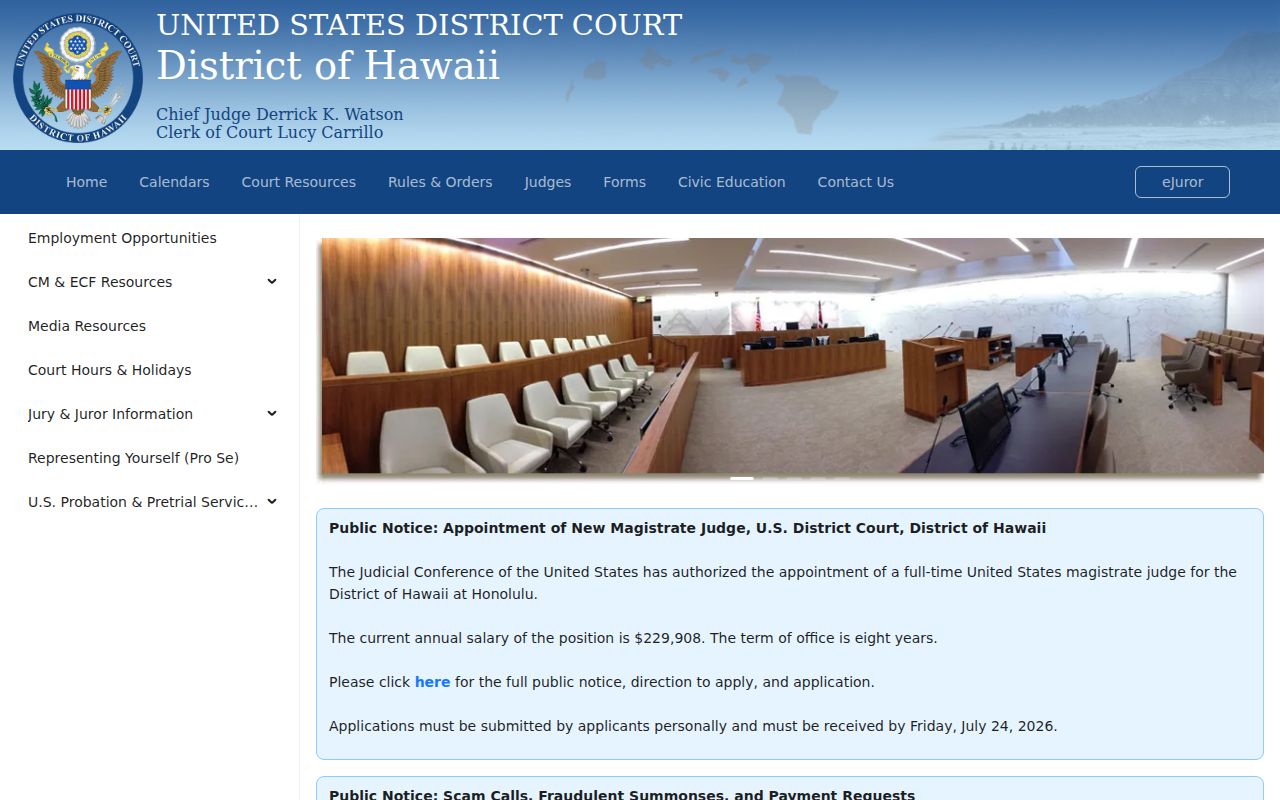
The federal court image marks a separate jurisdiction. A BOP custody search also answers a narrower question than a Honolulu County court lookup. The Federal Bureau of Prisons Inmate Locator searches federal custody identifiers and names.
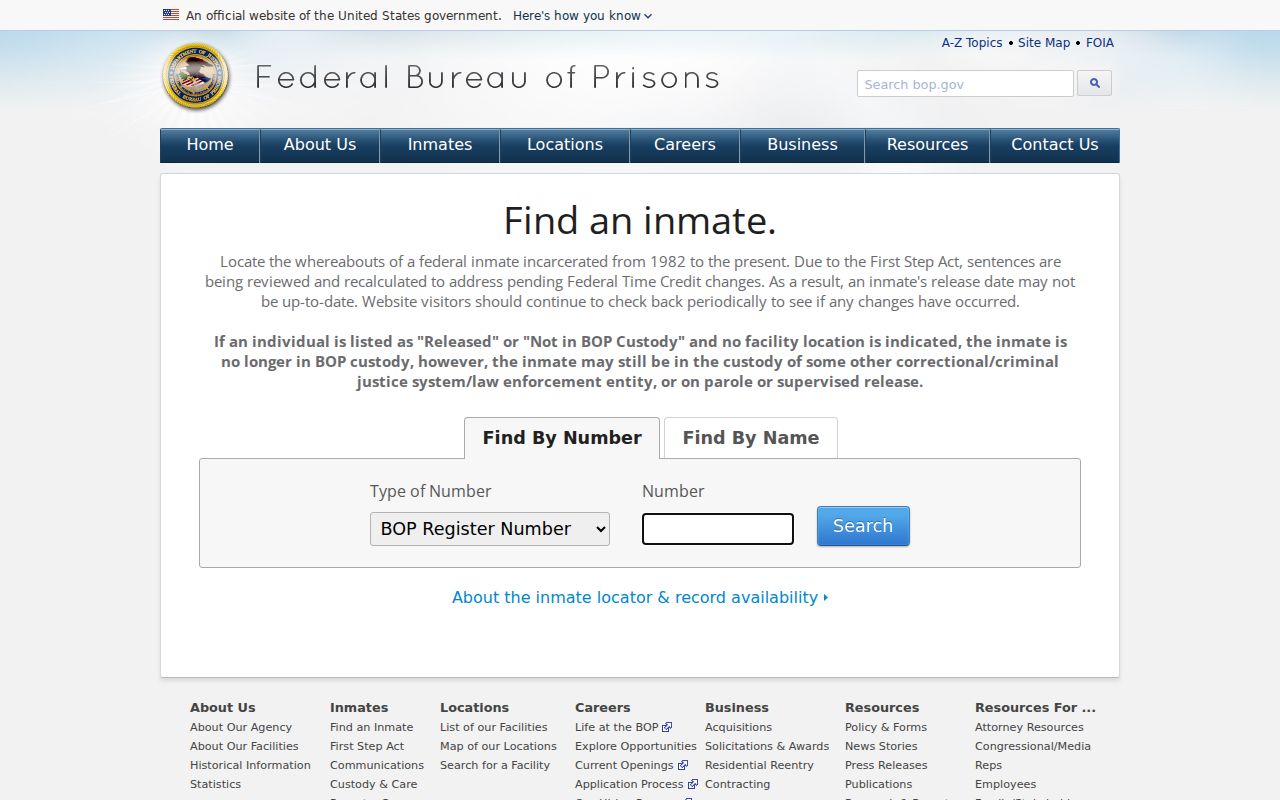
A BOP result is not a First Circuit docket and does not locate an ordinary OCCC detainee. Likewise, the National Sex Offender Public Website is a registry search rather than a court-file source.
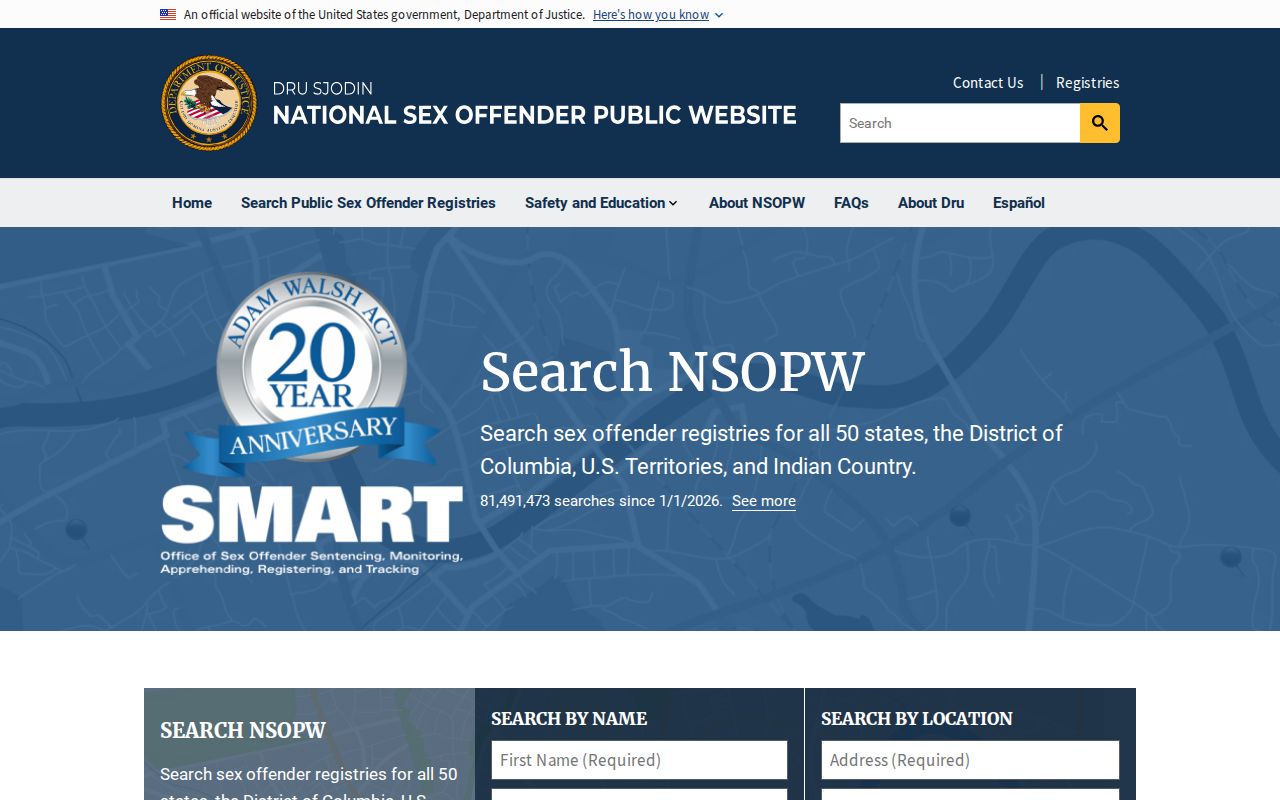
These boundaries prevent a common records error: custody, registry status, and criminal case disposition are separate official products.
Access Rules for Case Records
Hawaiʻi Court Records Rules classify judicial records and require protection of personal information. Sealed matters, confidential filings, juvenile material, protected victim details, Social Security numbers, and other private data will not appear in an ordinary public result. The Hawaiʻi UIPA governs executive-agency records, but court access follows the Judiciary’s own court-record rules.
An absent result can mean the file is old, sealed, confidential, not yet posted, or entered under a different case identifier. Ask the relevant court about the public index before drawing a conclusion. When a qualifying expungement order has been granted since July 2025, HCJDC transmits it to the Judiciary for consideration of related electronic records. That process does not promise instant removal of every court entry.
For the wider record trail, an Honolulu County arrest search can locate the earlier HPD log or custody channel. Compare it with the filed counts and final court result.